
[]



By:
Matteo Tittarelli
Category Comparison
Category Comparison

Most SaaS companies build for English-first markets and never expand beyond them. For instance, while English remains the default language of business software, the majority of global software buyers operate in other languages. If you recognize this early you can unlock massive growth advantages, especially if the competition keeps within saturated English-speaking markets.
Key Takeaways
Multilingual GTM strategies let you capture growth in non-English markets through strategic market selection, localized positioning, and adapted channel strategies that treat each market as its own ecosystem.
English-only approaches create three hidden costs: a lower conversion rate in non-native markets, visibility gaps in AI-powered search, and credibility barriers.
Successful international expansion requires four core components: redefining your Ideal Customer Profile (ICP), localization as well as translation, channel strategy validation, and metric-driven optimization.
Leading SaaS companies adapt their GTM emphasis by region. For instance, they might emphasize team collaboration in Japan versus individual productivity in Western markets.
Translation technology functions as GTM infrastructure. Translated sites achieve much more visibility in AI Overviews, which directly impacts whether prospects discover you.
Here’s the most critical insight for 2026: Companies that treat multilingual capabilities as core to the GTM infrastructure can unlock entirely new revenue streams in fast-growing non-English markets.
Why Non-English Markets Represent the Next Frontier for SaaS Growth
The global SaaS market continues to shift toward non-English speaking regions: there’s strong demand in European markets and Latin America for cloud-based business solutions. However, the Asia-Pacific region is expected to see the fastest SaaS adoption growth.
Overall, language matters. Nearly half of global consumers prefer local online domains; one-third of shoppers abandon carts if pricing is not in their local currency. This language preference is both a barrier and opportunity to enter new markets.
A customer essentially looks at whether a company understands their market, regulatory environment, and business practices. As such, English-only copy shows you’re not interested in understanding local needs.
Native-language content also has advantages with regards to search behavior. Weglot’s research when analyzing Google AI Overviews and ChatGPT citations found that untranslated sites in Spain achieved 431 percent more citations for Spanish queries than English queries, while Mexican sites showed a 213 percent difference.

Implementing proper translation means you can net greater visibility in English searches compared to their untranslated counterparts. At a time where AI-powered search is becoming more popular, language matching directly impacts whether customers find you during their research.
The Hidden Costs of English-Only GTM Strategies
Companies often underestimate the full impact of English-only approaches when expanding internationally. The most obvious negative cost is a reduction in your conversion rate.
Driving traffic from non-English markets to English landing pages results in fewer conversions than language-matched experiences. This compounds over time as your marketing budget will likely scale without proportional revenue growth.
There’s also a second cost layer. When a customer researches solutions in their native language, English-only websites will rank poorly, which will reduce organic discovery. It’s vital for AI-powered search as language matching will directly influence whether algorithms show you.
However, perhaps the biggest hidden cost comes from using what works in your primary market without adaptation. In short, hoping that the same strategy will work across different markets will likely see you fall short of success.
The 4 Core Components of a Multilingual GTM Strategy
Building an effective multilingual GTM strategy needs you to address four interconnected components. The next portion of this post looks at them in turn. Later, we’ll talk more about how to implement these in a complete strategy.
1. Redefining Your Ideal Customer Profile for Each Market
First, the ICP that drives success in your home market rarely translates to new regions without modification. This largely relates to regional differences in business culture, organizational structure, and technology adoption patterns.
It means your target buyer profile needs redefining for each major market. Here are some examples:
In the US, it’s leaders that typically drive SaaS purchasing decisions and hold clear budget authority.
For European markets, customers take longer to evaluate solutions, which often involves more stakeholders and prioritizes data privacy and regulatory compliance.
In Asia-Pacific markets, some countries are aggressive in adopting technology while others stick to established vendors with local presence.
Your ICP should address which business problems create urgency in each market, how companies typically solve those problems today, what objections dominate the evaluation process, and which proof points a buyer needs before committing.
2. Strategic Localization and Stellar Translation
Translation converts words from one language to another. Localization adapts the entire user experience to feel native to each target market.
You can quickly detect when companies have simply translated content over investing in proper market adaptation. User interface localization starts with language but extends to date formats, currency display, measurement units, and name formatting conventions. If you’re building with international markets in mind, these are the technical details that signal you’re also localizing your content.
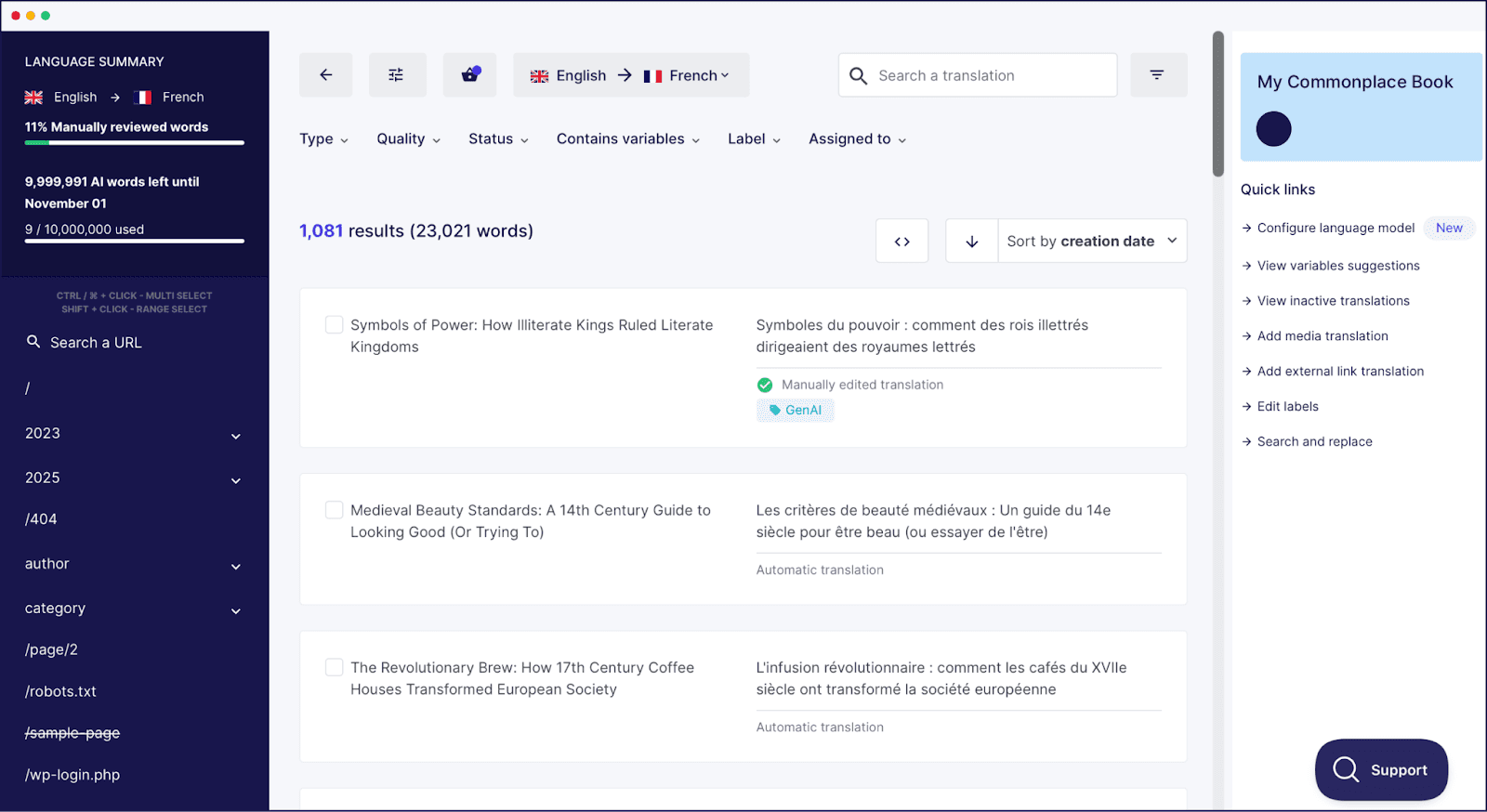
Localizing your messaging and positioning needs you to understand how different markets talk about business problems and evaluate solutions. So, the same functionality could be a time-saving automation tool in one market while being a part of compliance and risk reduction in another.
Your local pricing strategy also needs some care and attention as purchasing power varies across markets. The willingness to pay for specific functionality will shift based on local alternatives. Some markets will expect discounts based on a high sticker price, while others associate premium pricing with quality.
Localization will extend to your support and documentation too: customers expect help in their language regardless of timezone, which includes native-language support channels and localized onboarding.
3. Channel Strategy and Market Validation
The same channels that drive your customer acquisition in your home market may not translate to new regions. Take search engine dominance, for instance, which varies by country.
Despite almost a complete monopoly across the world, Google only has a two percent market share in China. It’s higher in Russia, where Yandex leads; it competes closely with Naver in South Korea. Social media platform usage differs too, along with partnership and reseller ecosystems.
This means you need to test and validate rather than assume. A lean approach is to start with small-scale testing in target channels before committing to a budget.
The validation phase should establish some market-specific success metrics, such as conversion rates, sales cycle lengths, average deal sizes, and customer acquisition costs. These can all vary based on the dynamics of the market, among other aspects.
4. Metrics and Continuous Optimization
Of course, your international GTM strategies require a customized measurement framework just as much as your localization. First, you’ll need visibility into market-specific performance across the entire sales funnel. This lets you identify which markets show a strong product-market fit.
There can be a few key metrics to track here, such as organic and paid traffic by language and region, conversion rates at each funnel stage, customer acquisition cost and payback period, sales cycle length and win rates, and customer retention rates.
By extension, the optimization process should be data-driven: markets that show strong traffic but weak conversion might need your attention; markets with good conversion but poor retention can signal problems.
The important takeaway here is that the specific pattern of metrics will tell you where to invest in improvement. It’s a continuous optimization process that also means you need to stay current with market changes.
Real-World Examples: How Leading SaaS Companies Go Multilingual
The most instructive examples of multilingual GTM success come from some of the biggest companies around. For example, Notion’s unconventional approach started with Japan: a market most Silicon Valley startups avoid.

The decision was based on observing strong organic demand, as Notion already had an active Japanese user base despite not having a native version. This increased by around 500 percent upon the Japanese language launch.
However, rather than stopping at translation, Notion opened a Tokyo office with a Regional General Manager and invested in dedicated Japanese customer support.
In a different approach, Canva created its “Truly Local” marketing strategy, which looked to create genuine connections by embracing each market’s unique nuances. So Japan was recognized as the world’s third-largest print market. China got its own region-specific product using a completely different tech stack in order to work within the country’s internet infrastructure.
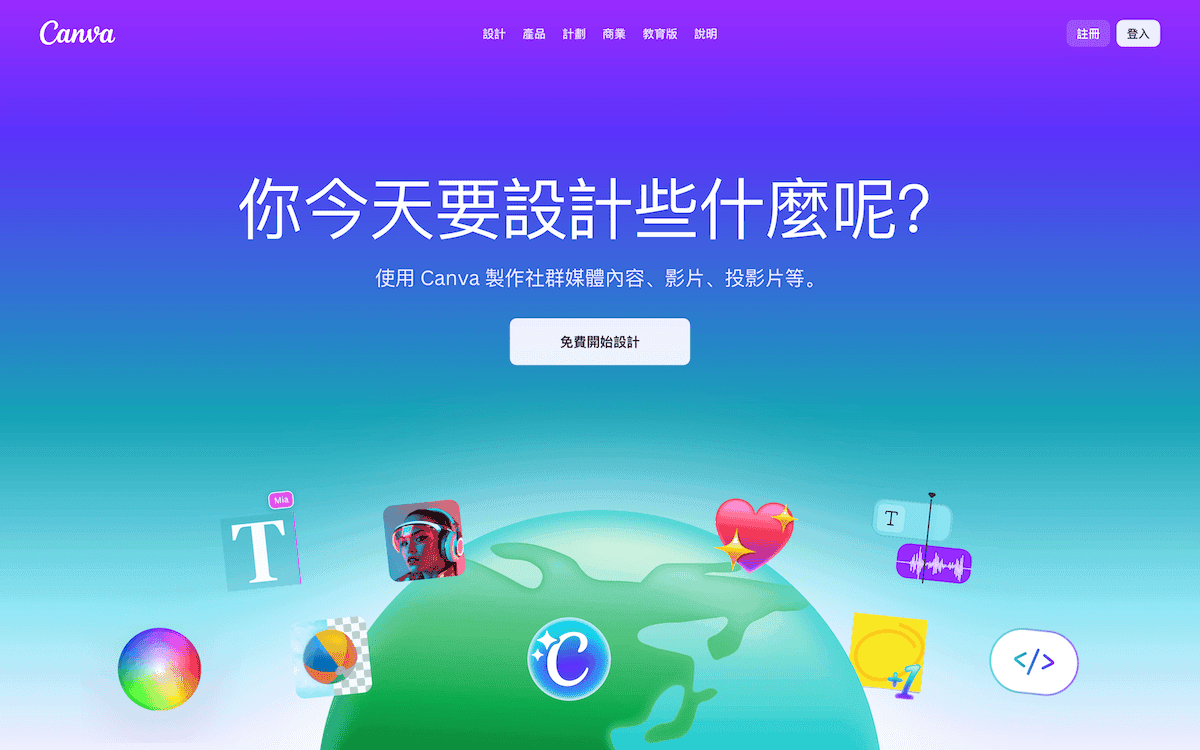
Both of these examples showcase some similar principles for entering new non-English markets:
They invested in local presence (such as offices, regional managers, and local teams), which signaled commitment.
The product experience adapted to the region, such as the technical infrastructure and even the core functionality.
They followed the organic demand. With the strong engagement within each region, it was easier to invest in the market.
Ultimately, each regional product had a complete experience. Entering into non-Western markets needs the same level of strategic investment as your home market launch, and doing so can boost your success. Here, both Notion and Canva treated localization as GTM infrastructure rather than a marketing project.
Using Weglot as Part of Your Multilingual GTM Strategy
If you’re still viewing translation as purely a technical implementation challenge, you’re going to miss how it connects to a broader GTM strategy. In fact, translation technology can be the infrastructure that lets you offer the right positioning, messaging, and content to reach your new native target audiences.
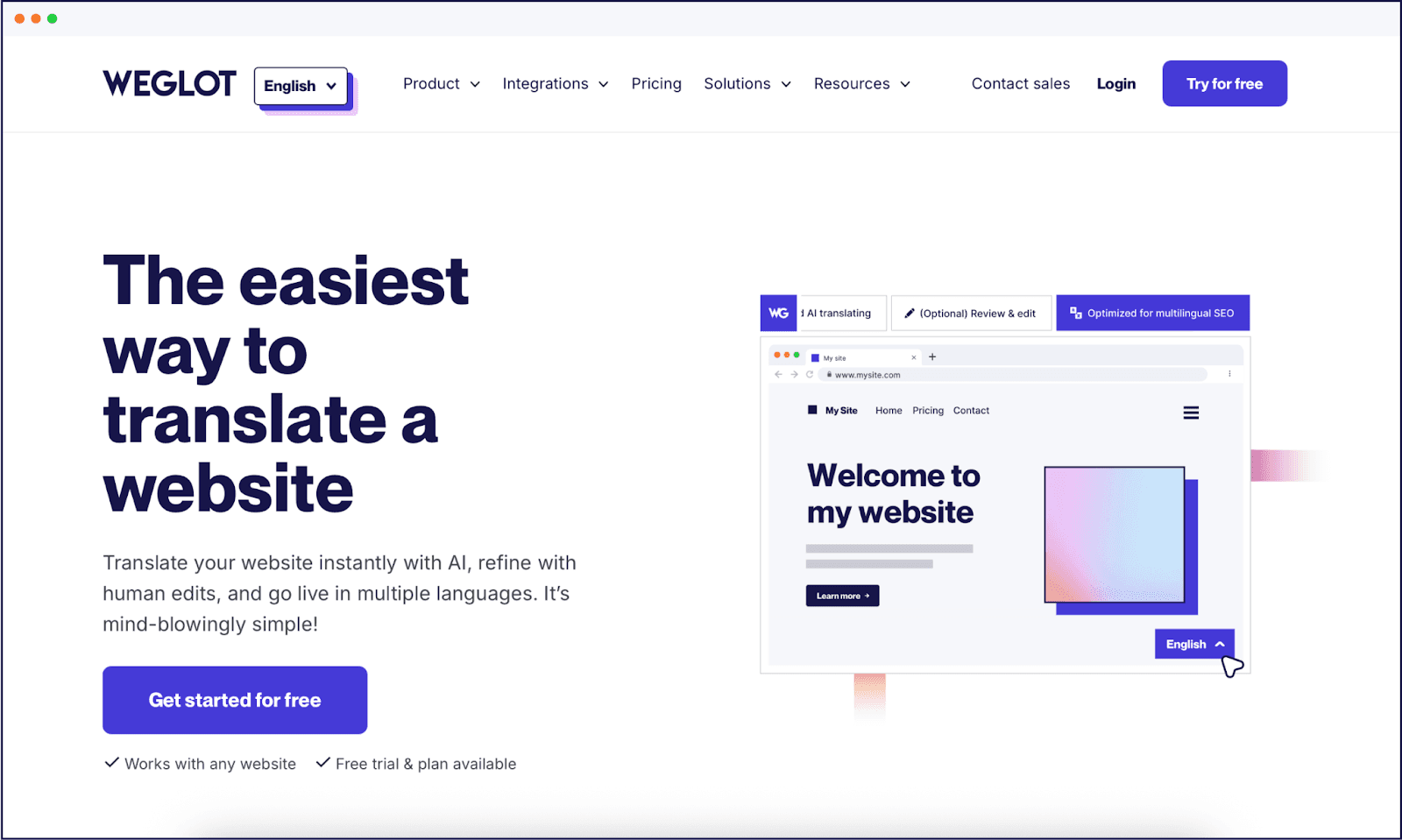
The Genesys Growth partner Weglot lets you get to market faster through automating the technical complexity of translating your website. The platform detects and translates your site’s entire content, then provides visual editing tools that lets you and your team refine those translations without technical dependencies.
This workflow means you can launch in new markets quickly, then iteratively improve localization quality based on the market feedback and performance data.
From a GTM perspective, Weglot can provide the technical tools for serving the right site to the correct audience (through background hreflang tag settings), while giving you the tools to expand alongside your market research, cultural consultation, and regional marketing strategies: dedicated analytics, visual editors, intuitive dashboards, and more.
Getting Started With Your Multilingual GTM Roadmap
Alongside Weglot, you can build a sound GTM strategy that will also let you scale as you gain a greater market share. The first step is to identify which markets show signals of interest.
Here, look at what alternatives exist and learn how buyers in those markets evaluate and purchase similar products. This is also the right time to understand what language and localization requirements you’ll need to meet.
Although it may seem tempting to blast into all of your ideal markets, a phased approach will likely be more fruitful. If you choose one or two markets to build and learn the nuances of your GTM strategy, you can then scale up and expand to other areas. Other than markets with organic demand, you might look to move into those that share cultural similarities with your home market.
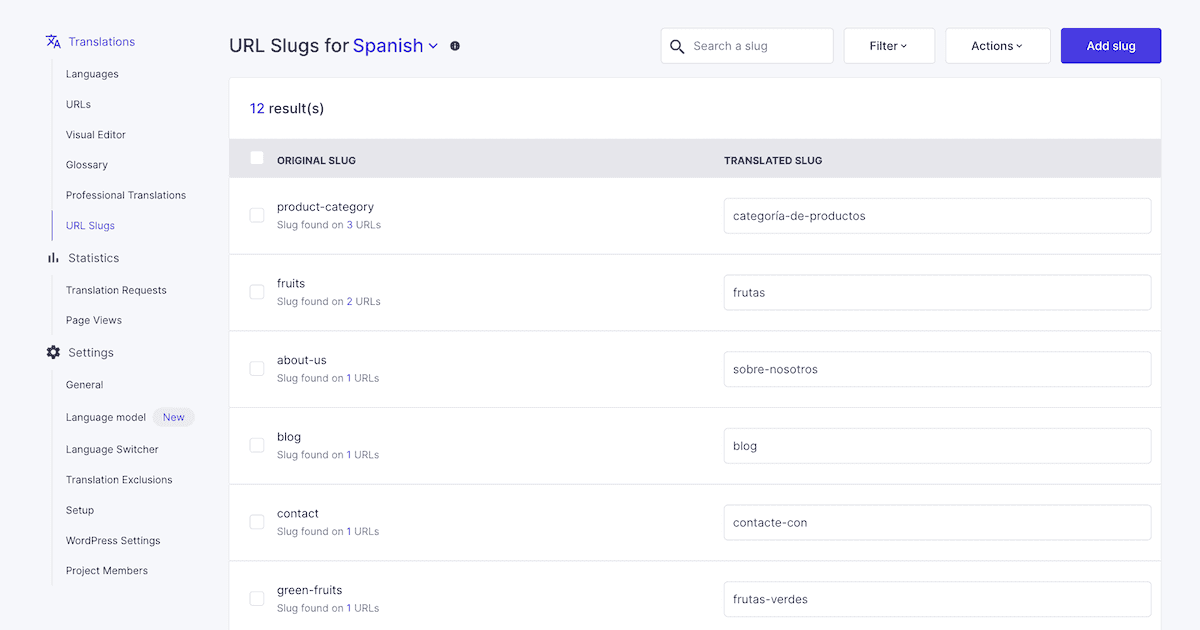
With target markets in mind, you can start to translate your website and core marketing materials. Weglot will be key in this phase as it covers all of the business-critical technical tasks while providing the crucial first-layer of automated machine translation:
At this point, you’ll want to focus on adapting messaging and positioning for the target market. Weglot already has dedicated analytics and tracking for you out of the box, which can also help you determine your initial channel strategy.
Once you launch, focus on measuring performance against market-specific baselines, such as traffic by language or conversion rates at each funnel stage. These metrics will let you identify any areas to refine. It’s a continuous improvement process that will drive greater results over time as your markets evolve.
Frequently Asked Questions
Which markets should SaaS companies prioritize for international expansion?
You should balance opportunity size with competitive dynamics. Western Europe is a good option as it’s a stable SaaS market. However, Latin America offers growth potential with less competition.
Can small SaaS companies compete internationally against local alternatives?
Market commitment and your positioning matters more than company size. If you identify underserved segments, establish your brand positioning, and invest in proper localization, you’ll be able to burst into the market.
How long does it take to see results from multilingual GTM investment?
This will depend on market maturity and your GTM approach. For instance, a product-led growth strategy might show traction within six months, while a sales-led approach can take longer. Instead, look to set realistic expectations based on your market-specific benchmarks.
Should we translate our entire website or just key pages?
Starting with high-impact pages such as your home page, product pages, pricing, and key landing pages is a good strategy. As you see results, expand to blog content and help documentation. However, using Weglot, you can translate your entire site within a few seconds automatically.
Other Blogs:












Explore more articles


















Extract key points